Branding 101 – Branding, Identity & Logo Design Explained
Welcome to the Credipple Crash Course in all things Branding.
/ˈbrandɪŋ/ (noun)
According to Orbelo, “Branding is the process of creating a strong, positive perception of a company, its products or services in the customer’s mind by combining elements such as logo, design, mission statement, and a consistent theme throughout all marketing communications.”
When done right, branding can help your business stand out. But what does “right” look like? How does it feel? And what does your brand say about your business when you’re not there?
Let’s Start With the Look
The look of your brand starts with the logo. Logo design is a part of the visual identity of a brand. It’s what people see first before they know anything else about it.
A logo is a great creative outlet for your brand to convey the purpose and mission of your business or product. Some logos have strong stories behind them and can be used as marketing tools to differentiate your brand from your competitors.
The logo design works hand in hand with your brand’s overall identity; including colour palettes, choice of font, and graphic elements. If you want to create an unforgettable brand, you must take the time to ensure cohesion throughout all aspects of your company’s visual elements, including the logo design.
The logo design can be anything from a simple text-based symbol to an intricate piece that incorporates imagery or typography to convey something about what you do, who you are, and what you represent.
The logo is what the customer sees, but the Branding is what the customer feels. Branding is all about creating a memorable experience for your customers and prospects. It’s about building trust, attracting new customers, standing out from competitors, and maintaining a loyal customer base—all at the same time.
So, How Do We Identify the Brand?
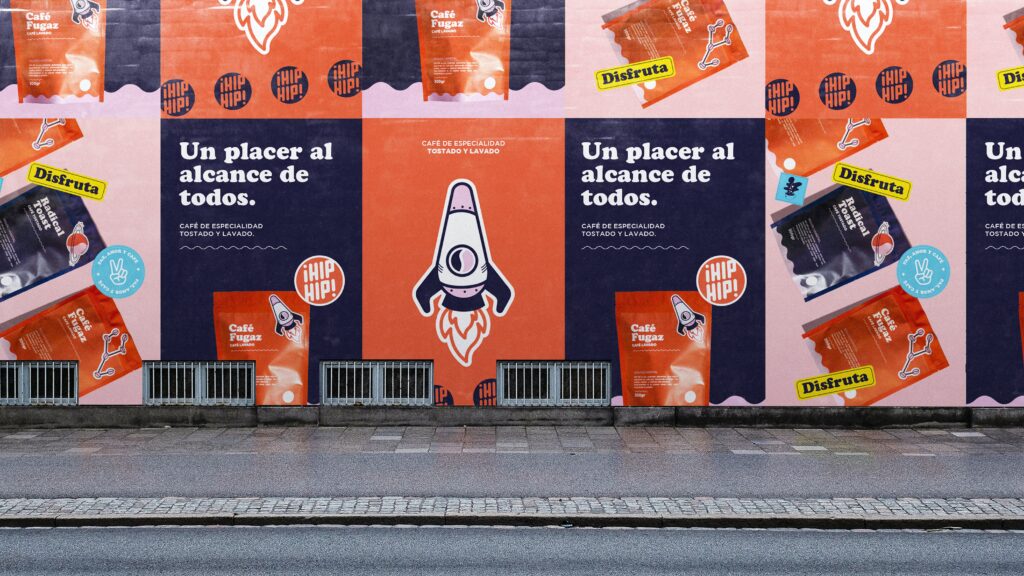
Recognising a logo is easy, but identifying the work of a brand is a slightly more intimate process/experience. It’s how your business appears to its audience, how it communicates with them, and what they think of when they hear or see your name.
Branding helps businesses differentiate themselves from their competitors in the market by showing off their values, personality, and culture in an engaging way that makes them more memorable than other companies.
Have you ever heard of the terms “on-brand” or “off-brand”? These terms refer to the consistency (or the inconsistency) of a brand experience. When you think of Champagne, you think “elegance”. When you think of Gordan Ramsey, you think of fine dining (also, not fine with poor service). All examples of being on-brand.
A poorly curated performance with no visuals from Solange Knowles would be considered extremely off-brand. (for her, at least)
It’s important to keep in mind that brand identity goes far beyond the logo; it includes the style of writing, tone, means of communication, social media presence, and overall experience associated with the brand.
How Do the Look and Feel Come Together to Create the Complete Brand Identity?
Branding is a way for your company to stand out from the crowd and attract customers—but what does it mean?
Your brand identity is the total image of your business. How you market yourself as a brand must align with the desired customer experience. From your communication style to the quality of product/service, your overall brand identity ultimately helps your customer see into the soul of your brand.
Branding is a powerful marketing tool that can be used to differentiate your company in any rapidly growing market. If you have a business idea and are not sure on what the next steps in the “branding” process are, the Credipple Marketplace is the perfect place to find trusted creative and digital professionals to help you get started. Alternatively, if you are a freelancer who can provide design skills and bring a brand to life, we encourage you to join the Marketplace as a freelancer.
Written by Khanyisile Mngomezulu